
Walk into a modern classroom, and you’ll feel the difference almost instantly. Some students are building things. Others are debating ideas. A few are quietly experimenting, figuring things out on their own.
It wasn’t always like this.
For years, education focused heavily on memorization. Pass the exam, move to the next level. But today’s world rewards creativity and problem-solving more than memorization.
So, how do teachers and schools develop young innovators?
It’s not about adding more pressure or piling on extra subjects. It’s about creating the right environment where curiosity feels welcome and ideas are taken seriously.
Think about your own school experience for a second. Was there a moment when a teacher encouraged you to think differently? That one moment can stick for years.
That’s where innovation begins.
Work With Creative Materials
Why Hands-On Creativity Sparks Innovation
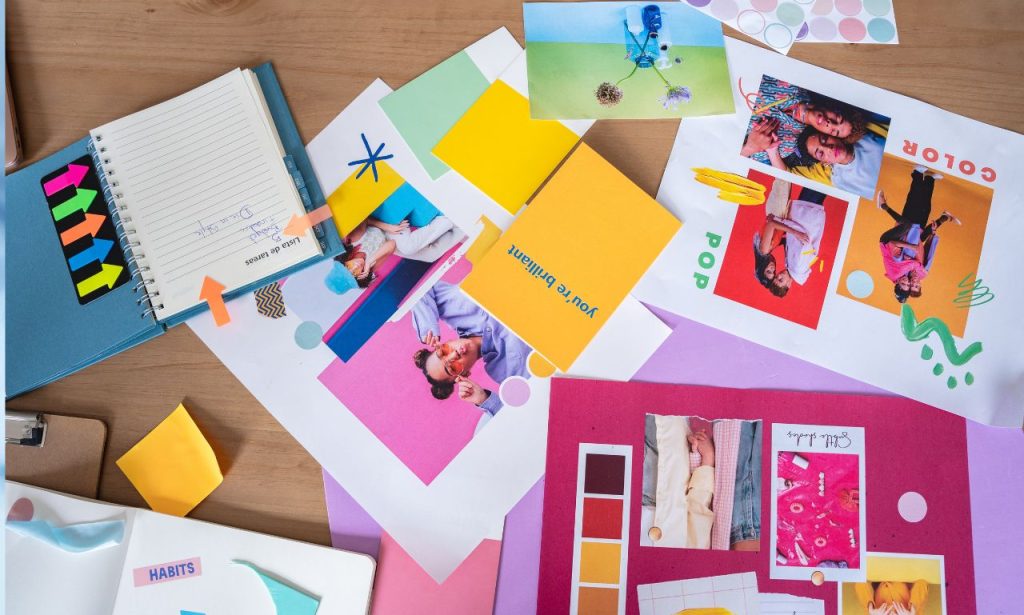
There’s something powerful about using your hands to create. It changes how the brain works.
Give students only theory, and they’ll understand concepts. Add materials like paper, clay, wires, or even recycled items, and suddenly those concepts come alive.
I once visited a school where students built simple bridges using straws and tape. Nothing fancy. Yet the excitement in that room was electric. Students were testing, adjusting, laughing, and learning without even realizing it.
That’s the magic.
When learners physically build something, they connect ideas faster. They also become less afraid of making mistakes. If something breaks, they fix it. Simple as that.
And honestly, isn’t that what real innovation looks like?
The Role of Teachers in Guiding Creativity
Here’s where many people get it wrong. Teachers don’t need to have all the answers.
In fact, the best teachers often step back.
Instead of saying, “This is how you do it,” they ask, “What do you think will happen if you try this?” That small shift changes everything.
Students start thinking independently. They begin to trust their own ideas.
A teacher in Nairobi once shared how she replaced strict instructions with open-ended tasks. At first, students were confused. They were used to being told exactly what to do.
Then something clicked. The classroom became more alive. Students started experimenting, collaborating, and even challenging each other’s ideas.
Creativity thrives when control is loosened just enough.
Read Stories
How Stories Shape Innovative Thinking
Stories have always been powerful. Long before classrooms existed, people learned through storytelling.
And even today, stories shape how young minds see the world.
A student reading about an inventor doesn’t just learn facts. They imagine possibilities. They start thinking, “Maybe I could do something like that.”
In many African communities, storytelling is deeply rooted in culture. Lessons are passed through narratives filled with wisdom and creativity. Schools can tap into that same power.
A story about solving a problem can inspire a student to try solving one of their own.
It’s subtle, but it works.
Encouraging Critical Thinking Through Reading

Reading alone isn’t enough. What happens after reading matters more.
Ask a student, “What did you learn?” and you’ll get a summary. Ask, “What would you change?” and you’ll get thinking.
That’s the difference.
When teachers encourage discussion, reading becomes interactive. Students begin to question ideas, compare perspectives, and even challenge what they’ve read.
One teacher shared how her class rewrote the ending of a story. Some students created better solutions than the original plot.
That’s innovation in action.
Encourage Problem Solving
Real-World Challenges Build Real Innovators
Students engage more when problems feel real.
Instead of abstract questions, bring in real-life situations. Issues like waste management, water shortages, or traffic are things students already understand.
In parts of Nairobi, students have created simple solutions, such as recycling systems, within their schools. Others have come up with small tech ideas to solve everyday problems.
These aren’t just school projects. They’re meaningful experiences.
When students see their ideas making a difference, their confidence grows. They begin to believe they can solve bigger problems, too.
And that belief is everything.
Creating a Safe Space for Failure
Let’s be honest. Nobody likes failing.
But here’s the truth. Every innovator has failed more times than they’ve succeeded.
Schools need to reflect that reality.
If students feel judged for getting things wrong, they’ll stop trying new ideas. They’ll play it safe. And safe doesn’t lead to innovation.
A better approach? Celebrate effort.
One teacher introduced a “failure board” where students shared what didn’t work and what they learned. At first, students hesitated. Then it became something they were proud of.
Failure stopped being embarrassing. It became part of the journey.
Practice by Play
The Science Behind Play and Innovation
Play isn’t just fun. It’s how people learn best.
Think about it. When you’re relaxed and engaged, your mind opens up. You explore ideas without fear.
Studies from top institutions, such as MIT, show that playful learning boosts creativity and memory. It makes concepts stick.
Even older students benefit from this approach. Games, simulations, and role-playing activities can turn ordinary lessons into something memorable.
And when learning feels enjoyable, students naturally push further.
Integrating Play Into Structured Learning
You don’t need to turn the classroom into a playground.
Small changes work.
A quick challenge, a short game, or even a role-play scenario can shift the mood. Students become more involved. They participate more.
One teacher added a simple debate game to lessons. Students who rarely spoke up started sharing ideas.
That’s the power of play.
It creates space for expression.
What are the 7 C’s of innovation?
Understanding the Core Principles of Innovation
The 7 C’s of innovation are simple but powerful.
Creativity drives new ideas. Without it, nothing starts.
Critical thinking helps students evaluate and refine those ideas.
Collaboration brings different perspectives together.
Communication ensures ideas are clearly shared.
Curiosity keeps the learning process alive.
Confidence gives students the courage to try.
Commitment keeps them going, even when things get tough.
These aren’t just skills. They’re habits.
Applying the 7 C’s in the Classroom

Teachers can build these skills naturally through everyday activities.
Group work strengthens collaboration. Presentations build confidence. Open-ended questions spark curiosity.
Even small changes matter.
A teacher once shared how she started asking “why” more often instead of giving answers. Students began thinking more deeply.
You don’t need a complete overhaul—just a few intentional shifts.
And over time, those shifts add up.
Conclusion
So, how do teachers and schools develop young innovators?
It comes down to creating the right environment.
Students need space to explore, question, and even fail. They need encouragement more than perfection. They need opportunities to create, not just consume.
The goal isn’t to produce perfect students. It’s to develop thinkers who can adapt, solve problems, and bring new ideas to life.
Start small.
Try one new approach in your classroom or learning space this week. Maybe it’s a creative activity, a discussion of a story, or a problem-solving task.
Watch what happens.
You might be surprised by how quickly innovation starts to grow.
Also Read: How Does Online Learning Reduce the Cost of Education?
FAQs
Because students need skills like creativity and problem-solving to succeed in real-world situations.
Yes, children are naturally curious and creative, which makes them ideal for fostering early innovation.
Not necessarily. Small changes in teaching approach can make a big difference.
Using simple materials, storytelling, and real-life problem-solving works effectively.