If you’ve noticed rough idling, poor fuel economy, or sluggish acceleration, you may wonder, can a clogged fuel injector fix itself? It is a reasonable question, especially if the symptoms seem to come and go. In reality, the answer depends on what caused the clog, but in most cases, a clogged injector does not repair itself without some form of cleaning or maintenance.
Understanding How Fuel Injectors Work
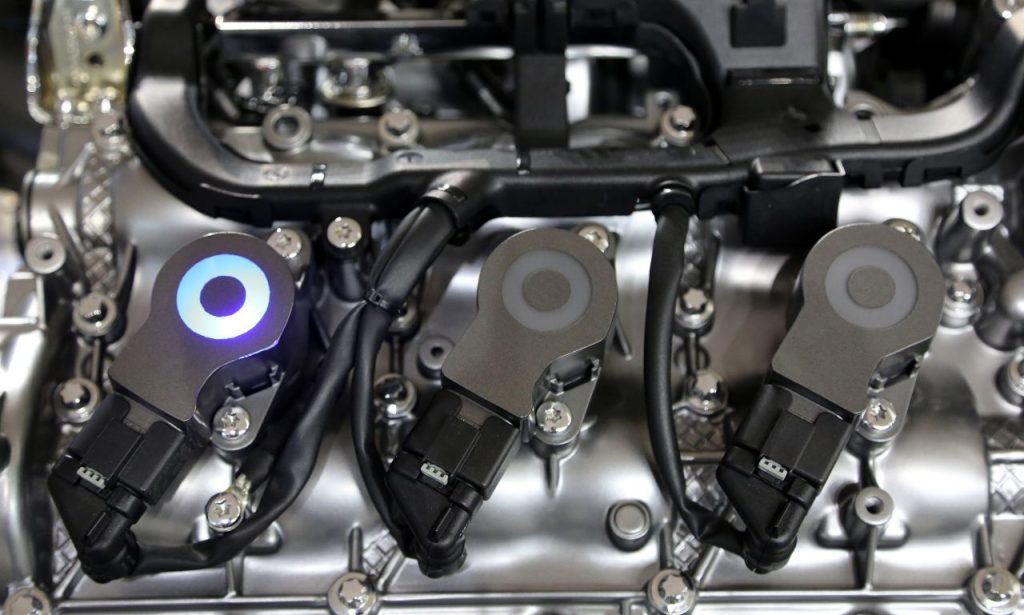
Fuel injectors play a vital role in modern engines. Rather than simply pouring fuel into the engine, they spray a carefully measured amount of fuel into each cylinder at high pressure. This fine mist mixes with air before combustion, allowing the engine to produce power efficiently while reducing fuel consumption and emissions.
Even a small change in the injector’s spray pattern can affect how the engine runs. A partially restricted injector may deliver less fuel than needed, while a severely clogged one can prevent proper combustion in one or more cylinders.
The Role of Fuel Injectors in Modern Gasoline and Diesel Engines
Although gasoline and diesel injectors operate differently, both have the same purpose. They deliver the correct amount of fuel at precisely the right moment.
Gasoline direct injection systems operate at extremely high pressure and rely on tiny injector openings for accuracy. Diesel injectors work under even higher pressure and require exceptional precision because diesel combustion depends entirely on proper fuel delivery.
Since injector openings are incredibly small, even minor deposits can interfere with normal operation.
How Deposits and Contaminants Interfere With Fuel Delivery
Fuel naturally contains trace amounts of impurities. Over time, heat inside the engine can cause these impurities to form varnish and carbon deposits around the injector tip.
Other contaminants may include:
Engine debris
Rust from the fuel tank
Water contamination
Sediment from poor quality fuel
As deposits build up, fuel cannot flow evenly. Instead of producing a fine spray, the injector may drip, spray unevenly, or become partially blocked.
Many drivers hope these deposits will wash away during normal driving. Unfortunately, hardened deposits rarely disappear without help.
Common Causes and Warning Signs of a Clogged Fuel Injector
Understanding why injectors clog makes it easier to prevent expensive repairs later.
What Causes Fuel Injectors to Become Clogged Over Time
Fuel injectors usually clog gradually rather than suddenly. Several factors contribute to this process.
Low-quality fuel often contains higher levels of contaminants that leave deposits behind.
Driving mostly short distances can also increase carbon buildup because the engine rarely reaches full operating temperature long enough to burn away some deposits.
Ignoring scheduled maintenance increases the risk as well. A clogged fuel filter may allow debris to circulate through the fuel system, eventually reaching the injectors.
Older vehicles naturally experience more buildup because injectors have been exposed to years of fuel and engine heat.
Poor storage conditions also play a role. Fuel left sitting for months can oxidize and form sticky residues that clog injector passages.
Symptoms That Indicate One or More Injectors May Be Restricted
A clogged injector often produces noticeable symptoms before complete failure occurs.
Common signs include:
Rough idling
Engine hesitation during acceleration
Reduced fuel economy
Loss of engine power
Engine misfires
Hard starting
Check Engine light
Strong fuel smell from incomplete combustion
These symptoms may appear gradually, making them easy to overlook at first.
For example, a driver may notice that the vehicle feels less responsive climbing hills. Weeks later, fuel consumption increases noticeably, followed by occasional engine misfires.
Because several engine problems can produce similar symptoms, proper diagnosis is important before replacing expensive components.
Cleaning Methods and Repair Options for Clogged Fuel Injectors
Whether a clogged fuel injector can fix itself depends largely on the severity of the blockage.
A very light buildup may improve slightly after prolonged highway driving because higher engine temperatures can help remove soft deposits. However, this is uncommon and should not be relied upon as a repair.
Once carbon deposits become hardened, they usually require active cleaning.
When Fuel Injector Cleaners Can Help and When They Cannot
Fuel injector cleaning additives are among the most common first steps for mild injector problems.
These cleaners contain detergents designed to dissolve small fuel deposits while the engine operates. They are generally most effective when injectors have only minor contamination.
Drivers who notice early symptoms such as a slightly rough idle or small decreases in fuel economy may benefit from using a reputable injector cleaner according to manufacturer instructions.
However, fuel additives have limitations.
They cannot remove heavy carbon buildup, physical debris, damaged injector components, or electrical failures.
If an injector has become completely blocked or internally damaged, pouring cleaner into the fuel tank will not restore proper operation.
Professional Cleaning, Testing, and Replacement Options Explained
Professional mechanics use specialized equipment to diagnose injector performance accurately.
In many workshops, injectors are removed from the engine and tested individually. Their spray pattern, fuel flow, and leakage are measured under controlled conditions.
Ultrasonic cleaning is one of the most effective methods for removing stubborn deposits. High-frequency sound waves break apart carbon buildup while specialized cleaning solutions dissolve remaining residue.
After cleaning, injectors are tested again to verify proper performance.
If cleaning fails to restore correct fuel flow, replacement may be necessary.
Modern fuel injectors are precision components. Internal wear, cracked housings, damaged seals, or failed electrical coils cannot be repaired through cleaning alone.
Replacing a faulty injector often restores engine performance immediately while preventing further damage from poor combustion.
Preventing Fuel Injector Problems Before They Start
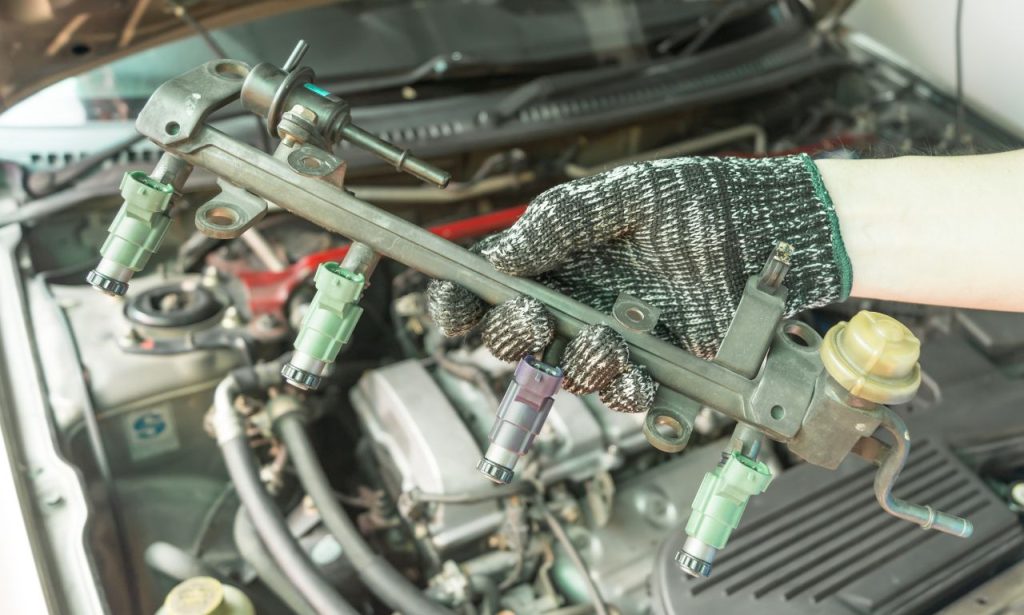
Preventive maintenance remains far less expensive than replacing injectors.
Good habits can significantly extend injector life while improving overall engine performance.
Fuel Quality, Maintenance Habits, and Driving Practices That Protect Injectors
Using fuel from reputable stations reduces the chance of introducing contaminants into the fuel system.
Many manufacturers also recommend using Top Tier gasoline where available because it contains higher detergent levels designed to reduce deposit formation.
Changing the fuel filter at recommended service intervals prevents debris from reaching sensitive injector components.
Occasional longer highway drives help engines reach full operating temperature, reducing carbon accumulation compared with constant short trips.
If a vehicle will remain unused for several months, adding a fuel stabilizer helps prevent fuel degradation that can clog injectors.
How Regular Servicing Supports the Entire Fuel System and Engine Performance
Fuel injectors do not operate independently. They work alongside the fuel pump, pressure regulator, fuel filter, sensors, ignition system, and engine control module.
Routine servicing ensures each component performs correctly.
During scheduled maintenance, technicians may detect early fuel pressure problems or sensor faults before they cause injector-related symptoms.
Ignoring maintenance can create a chain reaction where one failing component increases stress on the rest of the fuel system.
Keeping the entire system healthy helps injectors deliver accurate fuel flow for many years.
Related Fuel System Problems That Can Mimic a Clogged Injector
Many engine performance issues resemble injector problems, which is why diagnosis matters.
Faulty Fuel Pumps, Clogged Fuel Filters, and Ignition Issues With Similar Symptoms
A weak fuel pump can reduce fuel pressure throughout the system, causing hesitation and poor acceleration.
A clogged fuel filter restricts fuel flow before it even reaches the injectors.
Ignition problems such as worn spark plugs or failing ignition coils may produce engine misfires that closely resemble injector failures.
Vacuum leaks, dirty mass airflow sensors, and faulty oxygen sensors can also affect engine performance.
Replacing injectors without confirming the actual cause may waste money while leaving the original problem unresolved.
How Mechanics Accurately Diagnose Fuel Injector Problems and Avoid Unnecessary Repairs
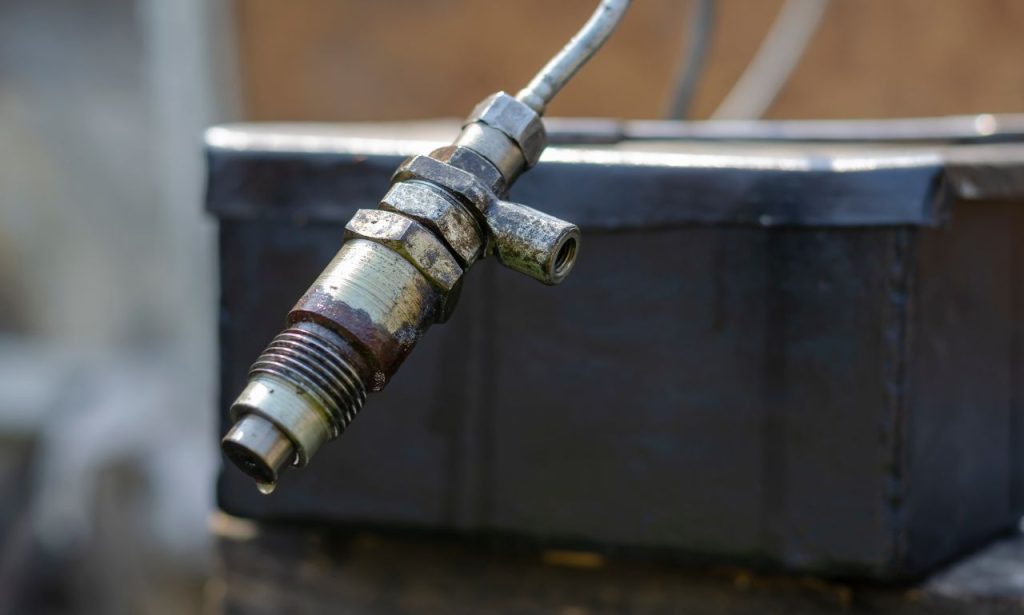
Professional diagnosis combines several testing methods.
Technicians often begin by scanning the engine computer for diagnostic trouble codes. These codes provide valuable clues but rarely identify the exact failed component.
Fuel pressure testing confirms whether the pump delivers adequate pressure.
Injector balance testing compares fuel delivery between cylinders.
In some cases, technicians inspect injector spray patterns using specialized testing equipment after removing the injectors.
This systematic approach helps identify whether the problem lies with the injector itself or another part of the fuel system.
Accurate diagnosis saves time, reduces unnecessary repairs, and restores engine performance more effectively.
Conclusion
So, can a clogged fuel injector fix itself? In most situations, the answer is no. While very minor deposits may improve slightly during normal driving, hardened carbon buildup rarely disappears without cleaning or repair. Waiting for the problem to resolve on its own often allows engine performance to decline and may lead to more costly repairs.
Using quality fuel, following routine maintenance schedules, and addressing early warning signs can keep injectors working properly for years. If symptoms persist, professional diagnosis remains the most reliable way to determine whether cleaning or replacement is the right solution.
FAQs
Yes. Low-quality or contaminated fuel can leave deposits that gradually restrict injector flow.
Many vehicles benefit from inspection or cleaning every 30,000 to 60,000 miles, depending on driving conditions and manufacturer recommendations.
It can. Continued driving may cause misfires, poor combustion, and increased wear over time.
Premium fuel may contain detergents, but it cannot remove heavy injector deposits once they have formed.
Yes. Even a single restricted injector can upset the air-fuel mixture and increase fuel consumption.