Professional development gets a bad reputation — and honestly, most of it is deserved. Teachers sit through hours of generic workshops that have nothing to do with their actual classrooms. They leave with a packet, a pen, and zero motivation to change anything. Sound familiar?
Here’s the thing, though. PD doesn’t have to be that way. When it’s done right, professional development genuinely transforms how teachers show up for their students. Research from Learning Forward shows schools with high-quality, ongoing PD see measurable improvements in both teacher retention and student achievement. The problem isn’t PD itself — it’s how most schools are doing it.
So let’s fix that. Here are the most effective ways to facilitate PD for teacher growth that actually work.
Make it Personal
Nothing kills enthusiasm faster than one-size-fits-all training. A veteran AP History teacher has wildly different needs from a first-year kindergarten educator. Treating them identically isn’t just inefficient — it’s insulting.
Personalized PD starts with listening. Survey your teachers before planning anything. Find out what challenges keep them up at night. Is it classroom management? Differentiated instruction? Parent communication? Build your PD calendar around those real answers, not assumptions.
How Personalization Changes Everything
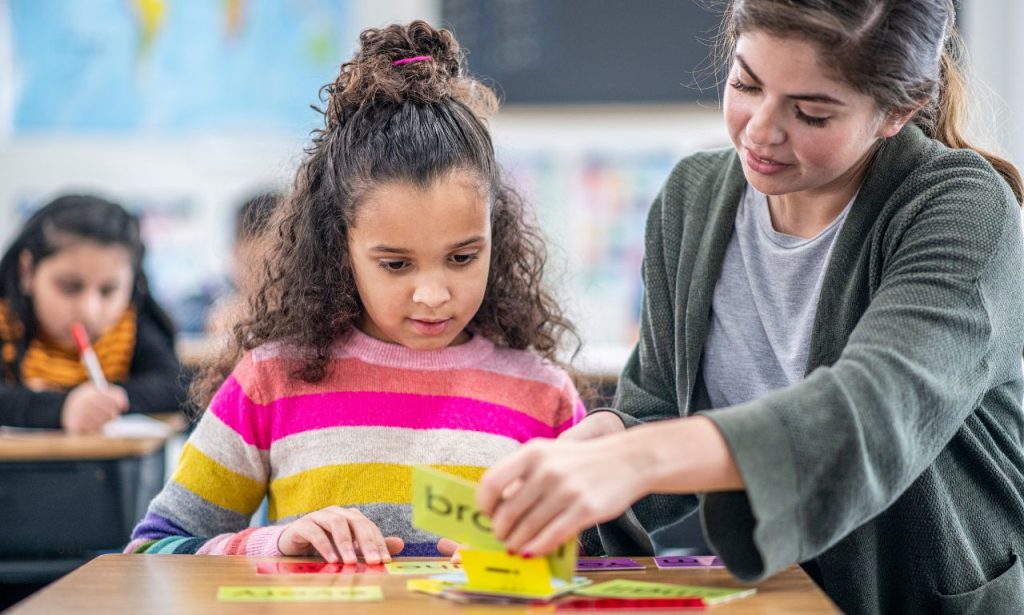
Think about how different your own learning feels when it connects to something you actually care about. Teachers are no different. When a middle school math teacher in Atlanta spent a year in a PD cohort focused on math anxiety among students, she later reported that it was the first time in 11 years she felt genuinely seen as a professional. Stories like hers aren’t exceptions — they’re what happens when PD gets personal.
Choice matters too. Offer teachers a menu of sessions rather than mandatory attendance at every workshop. Autonomy signals trust, and trust builds the kind of psychological safety that makes real growth possible.
Make it Convenient
Teachers are stretched thin. They’re grading papers at 10 PM and answering parent emails before the school day starts. Piling on inconvenient PD is a fast track to resentment.
Scheduling matters more than most administrators realize. Early-morning or after-school sessions on top of an already packed day aren’t going to get anyone’s best thinking. Look for embedded PD — time built into the school day through collaborative planning periods or restructured schedules.
Microlearning is another game-changer. Instead of one massive all-day workshop, break content into 15 to 20-minute focused sessions that teachers can complete when it works for them. Platforms like TeacherTube or even curated YouTube channels have made this easier than ever.
Make it Interactive
Sit-and-get PD is dead. Or it should be. Lectures might work for some learners in some contexts, but they’re not how adults actually build new professional skills.
Interactive PD means teachers are doing something — role-playing difficult conversations, analyzing student work together, and practicing new instructional strategies with their peers as the “students.” When you put people in the experience rather than just telling them about it, retention skyrockets.
Peer coaching is one of the most underused tools in the PD toolbox. Pair teachers intentionally, give them a simple observation protocol, and watch what happens. The feedback between trusted colleagues often lands harder and sticks longer than anything a consultant delivers. Jim Knight’s research on instructional coaching confirms this — peer-to-peer growth conversations outperform top-down training in almost every measurable category.
Make it Practical
Theory has its place. But what teachers really want to know is: how does this work on a Tuesday morning when half the class is off-task, and one student is in tears?
Effective PD bridges the gap between research and reality. Every new concept introduced should come paired with a real classroom application. Better yet, let teachers try it out and then debrief on what happened. That cycle — learn, apply, reflect, adjust — is where genuine professional growth lives.
Bringing Real Practice Into PD Sessions
Model lessons are a powerful practical tool. Bring teachers into a live classroom (with appropriate permission and context) and let them observe a skilled colleague working with real students. Watching someone navigate the messy, beautiful reality of teaching is worth more than any PowerPoint slide.
Case studies work well, too. Present teachers with real scenarios — anonymized, of course — and ask them to work through solutions together. One high school in Chicago built its entire PD program around teacher-generated case studies. Within two years, their internal surveys showed a 40% increase in teachers’ confidence in applying new strategies.
Make it Tech-Savvy
Technology isn’t the point of good PD — but it’s increasingly part of delivering it well. Teachers who are comfortable with digital tools bring that comfort into their classrooms, directly benefiting students.
Introduce tools thoughtfully. Don’t just show teachers a new app; walk them through how it solves a specific problem they already have. Edtech adoption fails most often not because teachers are resistant, but because no one connected the tool to a real instructional need.
Online PD communities are worth building, too. Private Facebook groups, Slack channels, or platforms like Mighty Networks give teachers a place to share wins, ask questions, and troubleshoot challenges between formal sessions. Learning doesn’t have to stop when the workshop ends.
Build a Better Culture of Growth
Here’s what separates schools that do PD well from everyone else: culture. You can design perfect workshops and still get nowhere if the underlying culture doesn’t support growth.
Psychological safety is the foundation. Teachers need to feel safe admitting they don’t know something, trying a new approach that might fail, and asking for help without it counting against them. Building this takes time and intentional leadership — but it starts with administrators modeling vulnerability themselves.
Celebrate effort alongside outcomes. Recognize teachers who try something new even when it doesn’t land perfectly. Public acknowledgment of the learning process — not just success — sends a powerful message about what your school actually values.
Provide Access to Resources
Great intentions without resources go nowhere. Schools serious about teacher growth invest in providing educators with what they need — books, journals, conferences, coaching, and time.
Build a professional library. Stock it with current titles on pedagogy, classroom management, equity, and subject-specific instruction. Offer a small stipend for teachers to purchase their own professional books. These are relatively low-cost investments with surprisingly high returns.
Conference attendance matters too. Sending even a handful of teachers to events like the ASCD Annual Conference or ISTE exposes them to national conversations and brings fresh energy back to your building. Make it a system — require returning attendees to share key takeaways with colleagues.
Offer Personalized Support
Personalized support goes beyond choosing your own PD session. It means having someone in your corner — a coach, a mentor, or an administrator who knows your specific goals and checks in consistently.
Instructional coaches are among the highest-leverage investments a school can make. A skilled coach who works consistently with a small group of teachers drives more growth than any workshop series. The keyword is consistently — sporadic check-ins don’t build the trust or momentum needed for real change.
Mentorship programs for new teachers dramatically reduce attrition. The New Teacher Center found that teachers with strong mentors are significantly more likely to stay in the profession past their fifth year. Pair new teachers intentionally, give mentors structured time and training, and treat the relationship as a priority, not an afterthought.
Promote a Growth Mindset
Carol Dweck’s research on mindset isn’t just for students. Teachers who believe their abilities can grow with effort approach PD in a completely different way from those who feel their professional identity is fixed.
Leadership sets the tone. When principals openly discuss their own learning edges, share what they’re reading, or invite feedback on their own practice, they model exactly the mindset they want to see. It sounds simple. In practice, it’s one of the most powerful culture shifts a school can make.
Reframe struggle as part of the process. When a new strategy doesn’t work immediately, help teachers see it as data — not failure. Building this perspective takes repetition, patience, and a consistent narrative from school leadership.
Conclusion
The most effective ways to facilitate PD for teacher growth aren’t complicated — but they do require intention, consistency, and real investment. Personal, convenient, practical, and interactive PD changes careers. It keeps talented teachers in the profession. Most importantly, it ultimately benefits the students who depend on those teachers every day.
Ask yourself honestly: Does the PD in your school right now meet that bar? If not, pick one thing from this list and start there. Progress beats perfection every single time.
FAQs
Effective PD is personalized, ongoing, and directly connected to classroom practice — not generic one-day workshops.
Research recommends at least 50 hours of PD per year, spread consistently throughout the school year rather than front-loaded.
Treating all teachers the same. One-size-fits-all training ignores individual needs and wastes valuable time and resources.
Leverage free tools, peer coaching, shared reading groups, and embedded collaboration time before spending on expensive external consultants.