Why do some court cases take longer than others? The answer usually lies in a mix of case complexity, evidence, court workload, procedural requirements, and the actions of the parties involved. A simple dispute may end within months, while complicated litigation can remain before the courts for years.
What Determines How Long a Court Case Takes?
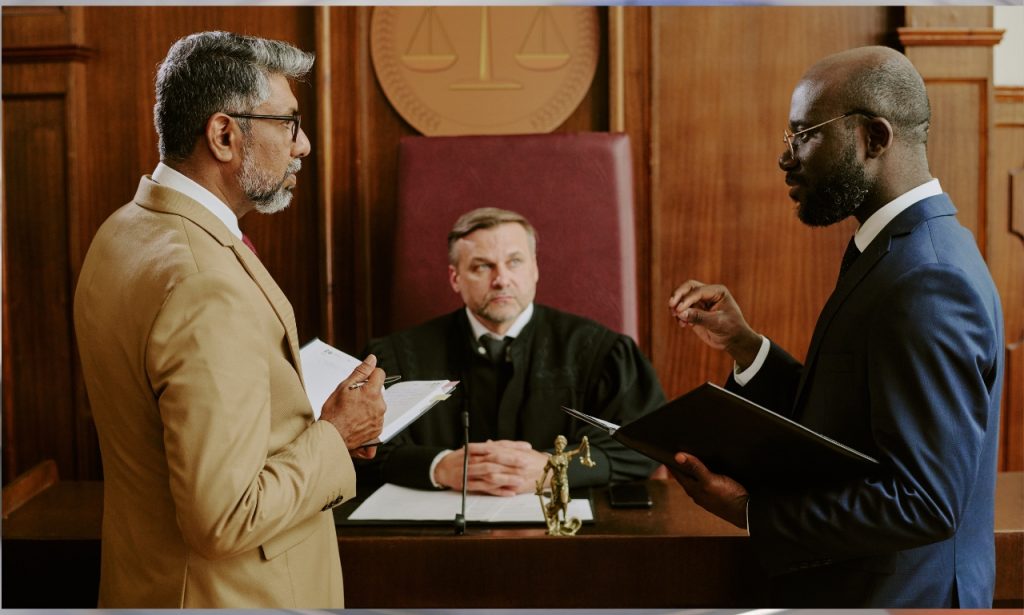
No standard length applies to every court case. Two disputes filed in the same courthouse on the same day can reach judgment at very different times.
The type of case matters first. A relatively straightforward debt claim may involve a few documents and two parties. A serious criminal prosecution could require forensic reports, numerous witnesses, expert evidence, and several preliminary hearings.
Civil, criminal, commercial, and family cases also follow different procedures. Each jurisdiction has its own rules, deadlines, and court structure. Those differences make broad promises about how long a case “should” take unreliable.
Research into court delays has long identified both case-specific and organizational factors. These include the seriousness of a matter, how it is resolved, court resources, and case-management practices.
Why Do Some Court Cases Take Longer Than Others When They Are Complex?
Complexity creates work at almost every stage of litigation. A case involving several disputed events requires lawyers to establish what happened, determine which laws apply, and present evidence supporting their positions.
More parties can add another layer. Imagine a commercial dispute involving a contractor, property owner, insurer, subcontractors, and suppliers. Each party may have different lawyers, documents, witnesses, and arguments. One party may also bring a claim against another party within the same proceedings.
Serious or technically difficult cases can require expert witnesses. Accountants may examine financial records, while doctors, engineers, or forensic specialists may interpret technical evidence. Experts need time to review material and prepare reports. The opposing side may then appoint its own expert, creating further issues for the court to consider.
How Evidence and Discovery Can Delay a Court Case
Evidence is often one of the biggest differences between a short case and a long one. Courts need reliable information before they can make sound decisions, and obtaining that information isn’t always quick.
In civil litigation, the pre-trial process may require parties to disclose relevant documents and other evidence. Depending on the legal system, lawyers may request records, question witnesses, obtain expert reports, or challenge another party’s disclosure.
Modern cases can involve enormous amounts of digital material. Emails, text messages, security footage, financial transactions, phone records, social media posts, and business databases may all become relevant. Canadian justice-system consultations, for example, have identified growing volumes of electronic records, video footage, lengthy cross-examinations, and pre-trial applications among sources of delay.
What Happens When Parties Disagree About Evidence?
Evidence doesn’t simply enter a case because one side wants it included. Parties can disagree about whether information is relevant, legally protected, reliable, or admissible.
Those disagreements may require a judge’s intervention. A lawyer might ask the court to order disclosure of documents. The opposing party may object. Both sides then need time to prepare arguments before the judge can rule.
New evidence can create further work. A newly discovered financial record, for instance, might require additional witness interviews or expert analysis.
This process can appear frustratingly slow from outside the courtroom. Yet evidence rules protect the fairness of proceedings. A faster case isn’t necessarily a better case if speed prevents a party from properly examining important evidence.
Why Court Backlogs and Scheduling Cause Delays

Sometimes the dispute itself isn’t unusually complicated. The problem is that the court has more cases than it can hear promptly.
Judges have limited courtroom hours, and each hearing competes for calendar space. Court staff must also process filings, maintain records, issue notices, coordinate hearings, and perform other administrative work.
Research on civil courts has found an association between larger case backlogs and longer disposition times. The effect is easy to understand. Even when lawyers are ready for trial, the court cannot hear every case simultaneously.
The issue remains relevant today. Recent research with Kenya’s Judiciary found substantial differences in case duration between court levels and identified adjournments as a major source of delay.
How Adjournments and Scheduling Conflicts Extend Cases
An adjournment moves a hearing to another date. Sometimes the delay is short. In a congested court, however, losing one hearing date may mean waiting months for another opening.
There are many legitimate reasons for adjournments. A key witness may become ill. A lawyer may need additional time after receiving new evidence. A party might change legal representation. An expert report may not be ready.
Repeated adjournments have a cumulative effect. Recent research using Kenyan court data found that reducing unnecessary adjournments substantially reduced lost court time. The study reported that each adjournment produced an average delay of about three months in the setting examined.
Scheduling several people makes matters harder. A trial involving multiple lawyers, witnesses, experts, and court officials needs dates that work across many calendars.
How Motions and Pre-Trial Proceedings Affect Case Timelines
A trial is only one part of litigation. Much of the legal work happens before anyone gives evidence at the final hearing.
Parties may file applications or motions asking a judge to decide specific issues. Depending on the jurisdiction and case, these can concern evidence, disclosure, procedure, witnesses, or even whether part of the case should proceed.
Motions take time because fairness usually requires both sides to participate. One party files its arguments, the other responds, and the court considers the competing positions. Complicated motions may require separate hearings.
Settlement discussions can also affect the timetable. Negotiations or mediation may temporarily slow formal proceedings, but they can ultimately save considerable time if the parties settle without trial.
Why Witnesses and Experts Can Make Trials Longer
Witness availability directly affects court schedules. A witness may live far from the courthouse, have health problems, or face unavoidable work commitments.
The number of witnesses also matters. Each person may undergo examination and cross-examination. Lawyers can raise objections, and the judge may need to rule before testimony continues.
Expert witnesses require particular care because their evidence often concerns technical questions outside ordinary knowledge. Their qualifications, methods, reports, and conclusions may all be challenged.
A case with three straightforward witnesses therefore looks very different from litigation involving dozens of witnesses and competing specialists. More testimony doesn’t automatically mean unnecessary delay. Sometimes the court genuinely needs that evidence to reach a defensible decision.
Why a Court Case Can Continue After the Trial Ends
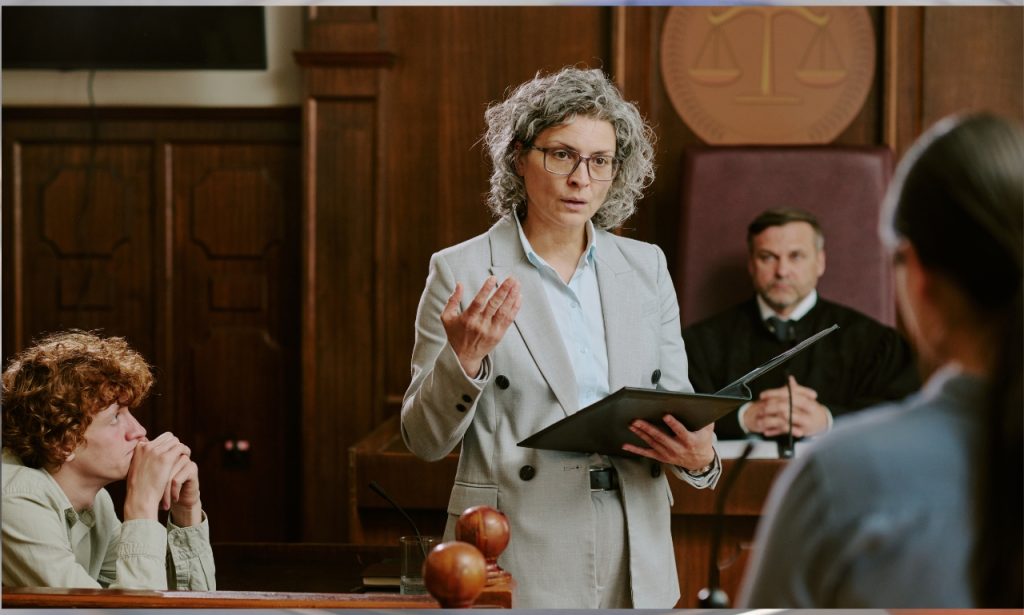
The final witness leaving the courtroom doesn’t always end the process. Judges may need time to assess testimony, study documents, consider legal authorities, and prepare a reasoned judgment.
Complex cases naturally demand more analysis. A judge may need to resolve conflicting evidence and answer several legal questions before determining the outcome.
The parties can also have post-judgment options. Depending on the legal system and circumstances, these might include applications concerning the judgment, enforcement proceedings, or an appeal.
Appellate proceedings have their own stages. Research on criminal appeals has identified record preparation, appointment of counsel, brief preparation, and judicial decision-making as distinct stages where delays may arise.
Can Appeals Add Years to a Court Case?
They can. An appeal moves the dispute into another judicial process rather than simply extending the original trial by a few days.
The appellate court may need the lower court’s record, written arguments from both sides, and sometimes oral submissions. Judges then examine whether the challenged decision involved a legal or procedural error.
Appellate courts can face their own caseload pressures. Research on appellate court systems has documented how workload, preparation of records and briefs, scheduling, and decision-making can contribute to delay.
An appeal therefore doesn’t necessarily signal that case management has gone wrong. The right to challenge certain judicial decisions is itself an important safeguard within many legal systems.
Conclusion
So, why do some court cases take longer than others? Usually, there isn’t one cause. Complex evidence, multiple parties, witnesses, expert testimony, pre-trial motions, adjournments, crowded court calendars, lengthy trials, judgments, and appeals can all extend the timeline.
Stronger case management and fewer unnecessary adjournments can reduce some delays. Others reflect the time needed to hear evidence and protect procedural fairness. Efficient courts matter, but justice also depends on giving judges and parties enough time to handle difficult cases properly.
Also Read:
What Happens After a Judge Reserves a Ruling?
Frequently Asked Questions
There is no universal average. Duration depends on the jurisdiction, court level, type of dispute, evidence, number of parties, available hearing dates, and whether the matter proceeds to trial or appeal.
A judge may postpone proceedings because witnesses are unavailable, evidence isn’t ready, lawyers need more preparation time, another application must be decided, or the court’s schedule changes.
A lawyer may help prevent avoidable delays by meeting deadlines, preparing evidence early, responding promptly, and limiting unnecessary procedural disputes. However, lawyers cannot control court backlogs or every action taken by opposing parties.
Usually not. An appeal generally examines alleged errors in the earlier decision according to the rules of the relevant jurisdiction. The appellate court reviews the appropriate record and arguments rather than automatically retrying the entire original trial.